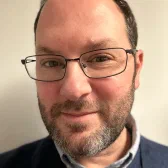
Jonathan L. Golob, MD, PhD

Jonathan L. Golob, MD, PhD

Physician-scientist · biomedical engineer · AI/ML drug-development leader

Now: Director of AI/ML for Vaccines & Infectious Disease at GSK and a scientific leader of the Fleming Initiative — applying advanced AI to antimicrobial resistance.

Long-form academic CV · interactive one-page version →

3,900+
Citations
26
h-index
37
i10-index
40+
Peer-reviewed papers
40+
Open-source repos
25+
Years in biomedicine

Clinical expertise

A clinician trained at the deepest end of infectious disease — caring for the most immunocompromised patients (cancer, solid-organ and stem-cell transplant), where an infection is often the difference between life and death.
  • Transplant infectious disease — solid-organ & hematopoietic stem cell transplant
  • Care of immunocompromised hosts
  • Oncology & cancer-related infections
  • General infectious disease & internal medicine
  • Critical care during the COVID-19 pandemic
Attending physician — cancer-related infections
Fred Hutchinson Cancer Center · 2016 – 2018
Attending physician (Consultant of the Month, 2015)
Harborview Medical Center · 2013 – 2018
Board certified:ABIM — Internal Medicine (2011)ABIM — Infectious Disease (2013)

A rare path: MD–PhD (UW Medical Scientist Training Program) → Internal Medicine (UW; medical-school internal medicine at Madigan Army Medical Center) → Infectious Diseases → Transplant Infectious Diseases fellowship at Fred Hutch, plus a pediatrics clinical year at Seattle Children's. Recognized as a Joel Meyers Endowment Fellow — a lineage tracing to the founding of transplant ID.

Education & training

Transplant Infectious Diseases Fellowship
Fred Hutchinson Cancer Center · Seattle, WA · 2016 – 2017
Infectious Diseases Fellowship
University of Washington · Seattle, WA · 2013 – 2018
Internal Medicine Residency
University of Washington · Seattle, WA · 2011 – 2013
MD–PhD — Medical Scientist Training Program
University of Washington · Seattle, WA · 2001 – 2011
PhD, Pathology (stem-cell epigenetics)
Medical-school internal medicine at Madigan Army Medical Center; pediatrics clinical year at Seattle Children's Hospital.
BS — Biomedical Engineering & Computer Science (dual degree)
Johns Hopkins University · Baltimore, MD · 1997 – 2001

Experience

Director, AI/ML — Vaccines & Infectious Disease
GSK · R&D · AI/ML

I lead an engineering team within the Biomedical AI group in R&D at GSK, applying cutting-edge AI/ML to accelerate drug and vaccine development for infectious diseases.

  • Engineer — build robustly engineered products supporting R&D and clinical development across GSK.
  • Engineering manager — lead a team of senior and junior engineers, focused on growth, reliability, and maintainability.
  • Subject-matter expert — clinical-trial design and implementation, EHR data, vaccines, antimicrobials, microbiome science, and antimicrobial resistance.
  • Scientific leadership — a leader in the Fleming Initiative, tackling antimicrobial resistance with advanced AI.
Assistant Professor
University of Michigan · Internal Medicine / Infectious Diseases

I led a research group focused on the practical clinical translation of microbiome science to patients within precision medicine — pairing novel computational techniques with cutting-edge in vitro and in vivo models — and responded to the COVID-19 pandemic, caring for hundreds of critically ill patients while developing and running human observational and interventional trials.

Senior Fellow · Joel Meyers Endowment Fellow
Fred Hutchinson Cancer Center / University of Washington

Postdoctoral fellow studying how the gut microbiome relates to and mechanistically contributes to outcomes in patients undergoing hematopoietic stem cell transplant. Mentor: David Fredricks.

  • Combined human observational study data with novel analytic and computational techniques.
  • Attending physician specializing in cancer-related infections.
Doctoral Researcher (MD–PhD)
University of Washington · Department of Pathology

My doctoral work used the (then-new) pluripotent stem-cell model to establish the basic epigenetic mechanisms behind the earliest stages of human development. I employed some of the earliest “next-generation” high-throughput sequencing and built a novel computational pipeline integrating transcriptional micro-array and tiling-array data. Mentor: Charles “Chuck” Murry.

Pandemic response

Among the first to care for critically ill COVID-19 patients at the University of Michigan — while simultaneously standing up the clinical research and laboratory infrastructure to fight the pandemic.
  • Frontline critical care for hundreds of critically ill patients.
  • Authored an early case series identifying IL-6 blockade (tocilizumab) as a viable therapy for severe disease.
  • Site PI and organizing-committee member for a mesenchymal stromal cell trial in COVID-19 ARDS.
  • Unblinded study physician for an international COVID-19 vaccine trial.
  • Designed and validated SARS-CoV-2 serology testing for the University of Michigan clinical laboratory.

Responsible AI

Responsible AI work spanning applied model development, biological risk, and high-stakes sociotechnical systems.

Deep learning for biodefense

Develops deep learning models to support biodefense and detect anomalous or potentially concerning uses of AI in health and biological contexts.

Responsible AI practice

Interested in responsible AI, clinical AI safety, model evaluation, and governance for tools deployed in high-stakes scientific and healthcare settings.

Responsible technology communication

Wrote Delayed Critical, a researched stage play about nuclear safety, institutional accountability, and the failure of technical organizations to act on known risk. The work parallels contemporary concerns in AI governance, oversight, and sociotechnical risk.

Clinical trials

Prebiotic microbiome intervention with immune-checkpoint inhibitors (melanoma)
Biomarker lead · Phase 0/1 — completed
Prebiotic microbiome intervention in hematopoietic stem cell transplant
Biomarker analysis lead · Phase 0/1
Mesenchymal stromal cells for moderate-to-severe COVID-19 ARDS
Site PI / organizing committee · Randomized trial
International COVID-19 vaccine trial
Unblinded study physician · Phase 3

Publications

66 papers across 9 domains, grouped by theme · full list on ORCID & Google Scholar.

AI / ML for biomedicine 3

Machine learning for drug & vaccine development, clinical prediction, and multi-omic discovery.

  1. Developing a multi-domain EHR foundation model for predicting Hepatitis B liver disease: a clinical perspective, 2026. doi: 10.64898/2026.01.23.26344677
  2. J. Hédou et al., “Discovery of sparse, reliable omic biomarkers with Stabl,” Nat Biotechnol, Jan. 2024, doi: 10.1038/s41587-023-02033-x
  3. J. L. Golob et al., “Microbiome preterm birth DREAM challenge: Crowdsourcing machine learning approaches to advance preterm birth research,” Cell Rep Med, p. 101350, Dec. 2023, doi: 10.1016/j.xcrm.2023.101350

Virology & vaccinology 4

Viral biology, vaccine science, and vaccine-trial medicine.

  1. ViroGym: Realistic Large-Scale Benchmarks for Evaluating Viral Proteins, ArXiv.org, 2026.
  2. Immunocompromised people make up nearly half of COVID-19 breakthrough hospitalizations – an extra vaccine dose may help, 2021. doi: 10.64628/aai.yydnqsdxc
  3. J. L. Golob, N. Lugogo, A. S. Lauring, and A. S. Lok, “SARS-CoV-2 vaccines: a triumph of science and collaboration,” JCI Insight, vol. 6, no. 9, p. 149187, May 2021, doi: 10.1172/jci.insight.149187
  4. R. J. Cieza, J. L. Golob, J. A. Colacino, and C. E. Wobus, “Comparative Analysis of Public RNA-Sequencing Data from Human Intestinal Enteroids Infected with Enteric RNA Viruses,” Viruses, vol. 13, no. 6, p. 1059, Jun. 2021, doi: 10.3390/v13061059

Transplant & immunocompromised-host infectious disease 12

Infection in HSCT/solid-organ transplant and cancer patients — the rare clinical and research core.

  1. C. Ogimi et al., “Exposure to antibiotics with anaerobic activity before respiratory viral infection is associated with respiratory disease progression after hematopoietic cell transplant,” Bone Marrow Transplant, Sep. 2022, doi: 10.1038/s41409-022-01790-8
  2. E. R. Duke et al., “Cytomegalovirus viral load kinetics as surrogate endpoints after allogeneic transplantation,” J Clin Invest, vol. 131, no. 1, Jan. 2021, doi: 10.1172/JCI133960
  3. P. Sharma et al., “COVID-19 Outcomes Among Solid Organ Transplant Recipients: A Case-control Study,” Transplantation, vol. 105, no. 1, pp. 128–137, Jan. 2021, doi: 10.1097/TP.0000000000003447
  4. What Types of Antibiotic Exposure Associates with Increased Risk of Respiratory Viral Disease Progression in Allogeneic Hematopoietic Cell Transplant Recipients?, Biology of Blood and Marrow Transplantation, 2020. doi: 10.1016/j.bbmt.2019.12.355
  5. 1751. The Impact of Prophylactic Systemic Antibiotics (PSA) on Cytomegalovirus (CMV) Infection: A Post-hoc Analysis of a Randomized Controlled Trial (RCT) in Hematopoietic Cell Transplantation (HCT) Recipients, Open Forum Infectious Diseases, 2019. doi: 10.1093/ofid/ofz360.1614
  6. 616. Vancomycin Is Frequently Administered to Hematopoietic Cell Transplant Recipients Without a Provider Documented Indication and Correlates with Microbiome Disruption and Adverse Events, Open Forum Infectious Diseases, 2018. doi: 10.1093/ofid/ofy210.623
  7. Antibiotic Exposure Prior to Respiratory Viral Infection is Associated with Disease Progression to Lower Respiratory Tract Infection in Allogeneic Hematopoietic Cell Transplantation Recipients, Biology of Blood and Marrow Transplantation, 2018. doi: 10.1016/j.bbmt.2017.12.461
  8. C. Ogimi et al., “Antibiotic Exposure Prior to Respiratory Viral Infection Is Associated with Progression to Lower Respiratory Tract Disease in Allogeneic Hematopoietic Cell Transplant Recipients,” Biol. Blood Marrow Transplant., vol. 24, no. 11, pp. 2293–2301, 2018, doi: 10.1016/j.bbmt.2018.05.016
  9. Outcome of Hematopoietic Cell Transplantation (HCT) in Patients with Invasive Fungal Infection before HCT Without Regression or Stabilization of Radiographic Signs, Biology of Blood and Marrow Transplantation, 2018. doi: 10.1016/j.bbmt.2017.12.489
  10. T. J. MacAllister, Z. Stednick, J. L. Golob, M.-L. Huang, and S. A. Pergam, “Underutilization of norovirus testing in hematopoietic cell transplant recipients at a large cancer center,” Am J Infect Control, vol. 46, no. 1, pp. 100–102, Jan. 2018, doi: 10.1016/j.ajic.2017.06.010
  11. Viral Kinetic Correlates of Cytomegalovirus Disease and Death after Hematopoietic Cell Transplant, Biology of Blood and Marrow Transplantation, 2018. doi: 10.1016/j.bbmt.2017.12.006
  12. A. Bhattacharyya et al., “Graft-Derived Reconstitution of Mucosal-Associated Invariant T Cells after Allogeneic Hematopoietic Cell Transplantation,” Biol. Blood Marrow Transplant., Oct. 2017, doi: 10.1016/j.bbmt.2017.10.003

Microbiome & host–microbe interactions 24

How the human microbiome shapes health, immunity, and disease.

  1. Acarbose impairs gut Bacteroides growth by targeting intracellular glucosidases, mBio, 2024. doi: 10.1128/mbio.01506-24
  2. Acarbose Impairs GutBacteroidesGrowth by Targeting Intracellular GH97 Enzymes, 2024. doi: 10.1101/2024.05.20.595031
  3. Inflammation-Induced Th17 Cells Synergize with the Inflammation-Trained Microbiota to Mediate Host Resiliency Against Intestinal Injury, Inflammatory Bowel Diseases, 2024. doi: 10.1093/ibd/izae293
  4. Tu1777 QUIESCENT CROHN’S DISEASE PATIENTS WITH PERSISTENT SYMPTOMS SHOW ENRICHMENT OF SULFUR METABOLITES AND SULFUR METABOLIC PATHWAYS, Gastroenterology, 2024. doi: 10.1016/s0016-5085(24)03714-4
  5. Why Symptoms Linger in Quiescent Crohn’s Disease: Investigating the Impact of Sulfidogenic Microbes and Sulfur Metabolic Pathways, Inflammatory Bowel Diseases, 2024. doi: 10.1093/ibd/izae238
  6. Feasibility of a dietary intervention to modify gut microbial metabolism in patients with hematopoietic stem cell transplantation, Nature Medicine, 2023. doi: 10.1038/s41591-023-02587-y
  7. J. Golob et al., “The Microbiome in Quiescent Crohn’s Disease with Persistent Symptoms Show Disruptions in Microbial Sulfur and Tryptophan Pathways,” Gastro Hep Advances, Nov. 2023, doi: 10.1016/j.gastha.2023.11.005
  8. J. L. Golob, “Human Microbiomes and Disease for the Biomedical Data Scientist,” Annu Rev Biomed Data Sci, vol. 6, pp. 259–273, Aug. 2023, doi: 10.1146/annurev-biodatasci-020722-043017
  9. Rational Modification of Human Gut Microbiome and Metabolites By Dietary Resistant Starch in Allogeneic Hematopoietic Stem Cell Transplantation: A Feasibility Study, Blood, 2023. doi: 10.1182/blood-2023-181260
  10. The Fecal Microbiome in Quiescent Crohn’s Disease with Persistent Gastrointestinal Symptoms Show Enrichment of Oral Microbes But Depletion of Butyrate and Indole Producers, 2023. doi: 10.1101/2023.05.16.23290065
  11. Tu1881 THE MICROBIOME IN QUIESCENT CROHN’S DISEASE PATIENTS WITH PERSISTENT SYMPTOMS IS SIMILAR TO ACTIVE CROHN’S DISEASE BUT SIGNIFICANTLY DIFFERENT FROM QUIESCENT CROHN’S DISEASE PATIENTS WITHOUT SYMPTOMS, Gastroenterology, 2023. doi: 10.1016/s0016-5085(23)03650-8
  12. 504. Latent HHV7 Infection Attenuates Beneficial Host-Microbe Interactions in the Human Gut, Open Forum Infectious Diseases, 2022. doi: 10.1093/ofid/ofac492.560
  13. K. Sugihara et al., “Mucolytic bacteria license pathobionts to acquire host-derived nutrients during dietary nutrient restriction,” Cell Rep, vol. 40, no. 3, p. 111093, Jul. 2022, doi: 10.1016/j.celrep.2022.111093
  14. M. J. Pianko and J. L. Golob, “Host-microbe interactions and outcomes in multiple myeloma and hematopoietic stem cell transplantation,” Cancer Metastasis Rev, vol. 41, no. 2, pp. 367–382, Jun. 2022, doi: 10.1007/s10555-022-10033-7
  15. A. E. Chang, J. L. Golob, T. M. Schmidt, D. C. Peltier, C. D. Lao, and M. Tewari, “Targeting the Gut Microbiome to Mitigate Immunotherapy-Induced Colitis in Cancer,” Trends Cancer, Mar. 2021, doi: 10.1016/j.trecan.2021.02.005
  16. E. J. Dela Cruz et al., “Genetic Variation in Toll-Like Receptor 5 and Colonization with Flagellated Bacterial Vaginosis-Associated Bacteria,” Infect Immun, vol. 89, no. 3, Feb. 2021, doi: 10.1128/IAI.00060-20
  17. J. Imai et al., “A potential pathogenic association between periodontal disease and Crohn’s disease,” JCI Insight, vol. 6, no. 23, p. e148543, Dec. 2021, doi: 10.1172/jci.insight.148543
  18. Novel, Gene-Level Associations between the Microbiome and MAIT or Treg Reconstitution after Allogeneic HSCT, Transplantation and Cellular Therapy, 2021. doi: 10.1016/s2666-6367(21)00120-2
  19. Organoid-derived adult human colonic epithelium responds to co-culture with a probiotic strain ofBifidobacterium longum, 2020. doi: 10.1101/2020.07.16.207852
  20. 2844. Butyrogenic Bacteria After Acute Graft vs. Host Disease Associate with the Development of Steroid Refractory GVHD, Open Forum Infectious Diseases, 2019. doi: 10.1093/ofid/ofz359.149
  21. J. L. Golob et al., “Butyrogenic bacteria after acute graft-versus-host disease (GVHD) are associated with the development of steroid-refractory GVHD,” Blood Adv, vol. 3, no. 19, pp. 2866–2869, Oct. 2019, doi: 10.1182/bloodadvances.2019000362
  22. Impact of Intestinal Microbiota on Reconstitution of Mucosal-Associated Invariant T Cells after Allogeneic Hematopoietic Stem Cell Transplantation, Blood, 2018. doi: 10.1182/blood-2018-99-115158
  23. J. L. Golob et al., “Stool Microbiota at Neutrophil Recovery Is Predictive for Severe Acute Graft vs Host Disease After Hematopoietic Cell Transplantation,” Clin. Infect. Dis., vol. 65, no. 12, pp. 1984–1991, Nov. 2017, doi: 10.1093/cid/cix699
  24. Gut Microbiome Changes in Response to Protocolized Antibiotic Administration During Hematopoietic Cell Transplantation, Open Forum Infectious Diseases, 2015. doi: 10.1093/ofid/ofv131.73

Computational methods & open-source tools 5

Reproducible pipelines and algorithms for microbiome and metagenomic science (MaLiAmPi, geneshot, benchmarking).

  1. S. S. Minot et al., “MaLiAmPi enables generalizable and taxonomy-independent microbiome features from technically diverse 16S-based microbiome studies,” Cell Reports Methods, p. 100639, Nov. 2023, doi: 10.1016/j.crmeth.2023.100639
  2. J. L. Golob and K. Rao, “Signal vs. noise: how to analyze the microbiome and make progress on antimicrobial resistance,” J Infect Dis, Apr. 2021, doi: 10.1093/infdis/jiab184
  3. S. S. Minot, K. C. Barry, C. Kasman, J. L. Golob, and A. D. Willis, “geneshot: gene-level metagenomics identifies genome islands associated with immunotherapy response,” Genome Biol, vol. 22, no. 1, p. 135, May 2021, doi: 10.1186/s13059-021-02355-6
  4. J. L. Golob and S. S. Minot, “In silico benchmarking of metagenomic tools for coding sequence detection reveals the limits of sensitivity and precision,” BMC Bioinformatics, vol. 21, no. 1, p. 459, Oct. 2020, doi: 10.1186/s12859-020-03802-0
  5. J. L. Golob, E. Margolis, N. G. Hoffman, and D. N. Fredricks, “Evaluating the accuracy of amplicon-based microbiome computational pipelines on simulated human gut microbial communities,” BMC Bioinformatics, vol. 18, no. 1, p. 283, May 2017, doi: 10.1186/s12859-017-1690-0

COVID-19 & pandemic response 3

Frontline care, therapeutics trials, and serology during the pandemic.

  1. M. E. Bowdish et al., “A Randomized Trial of Mesenchymal Stromal Cells for Moderate to Severe ARDS From COVID-19,” Am J Respir Crit Care Med, Sep. 2022, doi: 10.1164/rccm.202201-0157OC
  2. C. A. Goldstein et al., “The prevalence and impact of pre-existing sleep disorder diagnoses and objective sleep parameters in patients hospitalized for COVID-19,” J Clin Sleep Med, Feb. 2021, doi: 10.5664/jcsm.9132
  3. E. C. Somers et al., “Tocilizumab for treatment of mechanically ventilated patients with COVID-19,” Clinical Infectious Diseases, p. ciaa954, Jul. 2020, doi: 10.1093/cid/ciaa954

Perinatal & women's health 4

Preterm birth, the vaginal microbiome in pregnancy, and early-life outcomes.

  1. Expanding vaginal microbiome pangenomes via a custom MIDAS database reveals Lactobacillus crispatus accessory genes associated with cervical dysplasia, mSystems, 2026. doi: 10.1128/msystems.01498-25
  2. Vaginal microbiome structure in pregnancy and host factors predict preterm birth: Results from the ECHO Cohort, Annals of Epidemiology, 2025. doi: 10.1016/j.annepidem.2025.11.003
  3. Host factors are associated with vaginal microbiome structure in pregnancy in the ECHO Cohort Consortium, Scientific Reports, 2024. doi: 10.1038/s41598-024-62537-7
  4. VMAP: Vaginal Microbiome Atlas during Pregnancy, JAMIA Open, 2024. doi: 10.1093/jamiaopen/ooae099

HIV & viral persistence 3

Viral reservoirs, persistence, and immune dynamics in HIV.

  1. J. L. Golob et al., “HIV DNA levels and decay in a cohort of 111 long-term virally suppressed patients,” AIDS, vol. 32, no. 15, pp. 2113–2118, Sep. 2018, doi: 10.1097/QAD.0000000000001948
  2. HIV Reservoir Size and Decay in 114 Individuals with Suppressed Plasma Virus for at Least Seven Years: Correlation with Age and Not ARV Regimen, IDWeek 2016, 2016.
  3. Human Immunodeficiency Virus (HIV) Reservoir Size and Decay in 114 Individuals With Suppressed Plasma Virus for at Least Seven Years: Correlation With Age and Not Antiretroviral (ARV) Regimen, Open Forum Infectious Diseases, 2016. doi: 10.1093/ofid/ofw194.93

Other 8

  1. IL-15 Promotes Inflammatory Th17 Cells in the Intestine, Inflammatory Bowel Diseases, 2025. doi: 10.1093/ibd/izaf222
  2. J. L. Golob et al., “Evidence that gene activation and silencing during stem cell differentiation requires a transcriptionally paused intermediate state,” PLoS ONE, vol. 6, no. 8, p. e22416, 2011, doi: 10.1371/journal.pone.0022416
  3. J. L. Golob, S. L. Paige, V. Muskheli, L. Pabon, and C. E. Murry, “Chromatin remodeling during mouse and human embryonic stem cell differentiation,” Dev. Dyn., vol. 237, no. 5, pp. 1389–1398, May 2008, doi: 10.1002/dvdy.21545
  4. S. Ueno et al., “Biphasic role for Wnt/β-catenin signaling in cardiac specification in zebrafish and embryonic stem cells,” Proc. Natl. Acad. Sci. U.S.A., vol. 104, no. 23, pp. 9685–9690, Jun. 2007, doi: 10.1073/pnas.0702859104
  5. T. E. Boursalian, J. Golob, D. M. Soper, C. J. Cooper, and P. J. Fink, “Continued maturation of thymic emigrants in the periphery,” Nat. Immunol., vol. 5, no. 4, pp. 418–425, Apr. 2004, doi: 10.1038/ni1049
  6. Y. Cui, J. Golob, E. Kelleher, Z. Ye, D. Pardoll, and L. Cheng, “Targeting transgene expression to antigen-presenting cells derived from lentivirus-transduced engrafting human hematopoietic stem/progenitor cells,” Blood, vol. 99, no. 2, pp. 399–408, Jan. 2002, doi: 10.1182/blood.v99.2.399
  7. Z. Gao, J. Golob, V. M. Tanavde, C. I. Civin, R. G. Hawley, and L. Cheng, “High levels of transgene expression following transduction of long-term NOD/SCID-repopulating human cells with a modified lentiviral vector,” Stem Cells, vol. 19, no. 3, pp. 247–259, 2001, doi: 10.1634/stemcells.19-3-247
  8. Specific transgene expression in antigen presenting cells derived from lentivirally transduced hematopoietic stem/progenitor cells, Experimental Hematology, 2000. doi: 10.1016/s0301-472x(00)00283-6

Open source & tools

I ship code — 40+ public repositories. Selected open-source tools:

MaLiAmPiNextflow / Python★ 22
Taxonomy-free harmonization & tokenization of raw microbiome data into stable, ML-ready features.
geneshotNextflow
Reference-free, gene-level metagenomics with rigorous dimensionality reduction.
Groups phylogenetic placements into stable phylogroups for downstream modeling.
sciluigiPython
Scientific-workflow wrapper around Spotify's Luigi.
arfPython
Algorithmic rRNA filtering for taxonomic identification.

Arctic Code Vault Contributor. · All repositories →

Selected projects

The Human Microbiome Atlas
AI/ML · Computational biology

Building on MaLiAmPi, an atlas of the human microbiome in health and disease — harmonizing new raw data into existing feature sets, a key step toward clinical translation of microbiome-based predictive models like those from the preterm-birth DREAM challenge.

March of Dimes Preterm-Birth Prediction DREAM Challenge
AI/ML

Led a crowdsourced machine-learning challenge to identify pregnancies at high risk of early preterm birth from vaginal-microbiome data, validated on independent datasets harmonized post-hoc. With Marina Sirota and Tomiko Oskotsky.

Microbiome & outcomes in bone-marrow transplant
Basic science

Identified the clinical relevance of microbiome butyrate production inhibiting gut recovery after injury during hematopoietic stem cell transplant — combining human observational data with organoid-based in vitro modeling — and latent HHV-7 infection of epithelium as a modulator of host–microbiome interactions.

Decoding the genetic jigsaw
Clinical translation · Science communication

Decoding the meaning of genetic variation — especially “variants of unknown significance” — for a general audience, with Ranjani Ramamurthy.

Patents

Phylogenetic placement using taxonomy-independent feature generation
US 2025/0037793 A1 · U.S. patent application (pending) · Filed Jul 2024 · published Jan 2025

Core method behind MaLiAmPi — generalizable, taxonomy-independent microbiome features via phylogenetic placement.

Writing & science communication

Two decades translating science for the public.

The Stranger

Answered readers' science questions; extensive coverage of the 2008 financial crisis and the 2011 Fukushima disaster.

Ars Technica

Long-form science & technology features for a general audience.

The Conversation

Public-facing analysis from a physician-scientist.

Medium — LLMed AI

Decoding the genetic jigsaw: interpreting variants of unknown significance and cancer screening.

Delayed Critical

Researched creative work on nuclear safety, institutional accountability, and the failure of technical organizations to act on known risk.

Leadership, testimony & service

Scientific leader — Fleming Initiative (AI vs. antimicrobial resistance)
Imperial College London + Imperial College Healthcare NHS Trust · GSK founding partner

Help lead the application of advanced AI to antimicrobial resistance across the initiative's “Grand Challenges.”

Expert declaration — COVID-19 in carceral settings
ACLU of Connecticut · federal litigation (2020)

Provided medical expert testimony on protecting incarcerated people from COVID-19.

Trial organizing committees & site PI
Multi-center clinical trials

Protocol development, safety monitoring, and implementation.

Awards & honors

Joel Meyers Endowment Fellow2016 – 2018
Fred Hutchinson Cancer Center
Named award honoring Dr. Joel Meyers, founder of Fred Hutch's Infectious Disease Sciences program; supports early-career physician-scientists.
Best Abstract Award2016
ID Week — Infectious Diseases Society of America
Consultant of the Month2015
Harborview Medical Center, Seattle
ARC Fellow & Keynote Speaker2005
ARC
Inductee — Alpha Eta Mu Beta2001
Biomedical Engineering Honor Society
Inductee — Tau Beta Pi2001
Engineering Honor Society

Skills

AI / Machine learning

Deep learning & predictive modelingLLMs and protein / representation modelsscikit-learn, TensorFlow, PyTorchEHR and multi-omics datapandas, NumPy, statsmodels

Software engineering

Python (data science & Django backend)JavaScript / D3.js data visualizationReproducible workflows: Nextflow; Slurm / PBS / SGESQL & NoSQL data modelingC / C++ / RLeading & delivering complex software systems

Engineering leadership

Engineering management & mentorshipCross-functional, interdisciplinary deliveryProject & program managementTechnical strategy & communication

Responsible AI

Responsible AI and AI governanceClinical AI safety and model evaluationDeep learning for biodefenseDetection of anomalous AI use in health and biologySociotechnical risk in high-stakes systems

Drug & vaccine development

Preclinical R&D (vaccines & infectious disease)Early-phase protocol developmentTrial biomarker analysisSite PI & trial organizing committeesAntimicrobial resistance (AMR)

Computational & translational biology

Microbiome, single-cell & multi-omics integrationBioinformatics pipeline developmentGene-therapy vector design (adeno-, lenti-, AAV)Vaccinology & epitope selectionOrganoid / in vitro modeling

Clinical

Transplant infectious diseaseImmunocompromised-host & oncology infectionsInternal medicinePandemic critical care

Research interests

AI/ML for preclinical R&DOptimizing human trials with AI/MLTokenization & harmonization of data for AI/MLPrecision medicineMicrobiome scienceTransplant infectious diseaseAntimicrobial resistanceData visualizationDiversity & inclusion in data sciencePregnancy & early-childhood outcomes